There’s a particular kind of exhaustion that comes from understanding your own patterns perfectly and still feeling stuck inside them. You can name the attachment wound. You can trace the anxiety back to its root. You can explain, in detail, why your body braces the way it does.
And still, your body braces.
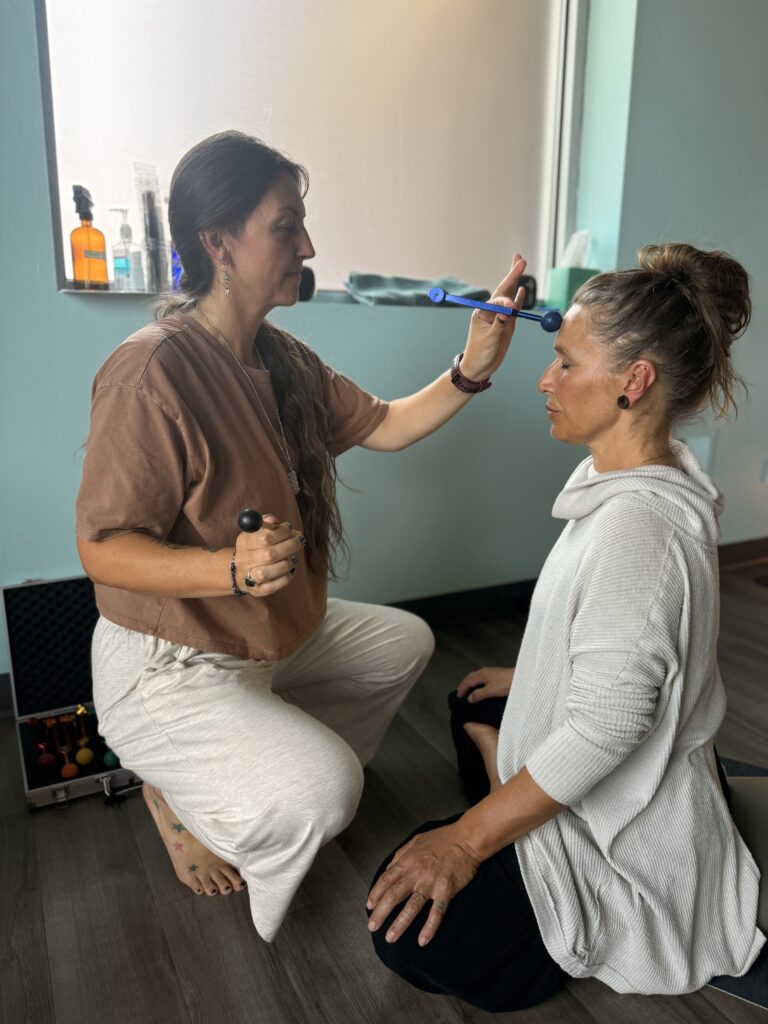
This is the gap that Finding Safety in Your Body Again: A Somatic Reparenting Experience was built to address. Not another framework to understand intellectually, but three hours of felt, embodied practice, grounded in Kelly McDaniel’s Mother Hunger framework and delivered through trauma-informed yoga, somatic self-regulation, and ritual.
Here’s what the day actually looked like—and why it mattered so much.
The Three Pillars: Nurture, Protection, Guidance
Kelly McDaniel’s Mother Hunger names three things every child needs in order to grow up feeling safe: nurturance, protection, and guidance. When any of these are missing, the absence doesn’t just fade with time. It becomes trauma, carried forward in the body long after the original wound occurred.
Rather than teach these as concepts, the workshop was built to let participants experience each one somatically.
Nurture: Self-havening, gentle rocking, self-touch, and a guided visualization inviting participants to locate their own capacity for nurturing—first by recalling a time they extended it to someone else, then by learning to turn that same capacity inward.
Protection: Discharge work beginning with chi gong-style shaking, tapping, and movement designed to release stored fear and hypervigilance. From there, participants moved into locating a felt sense of “yes” and “no” in the body, physically pushing against resistance, and ultimately voicing a boundary out loud.
Guidance: Practices aimed at trust and inner wisdom—third-eye focused stillness, a slow, kickstand-first approach to tree pose designed to build self-trust through balance, and a visualization inviting participants to access both a wise inner presence and a memory of their own good judgment.
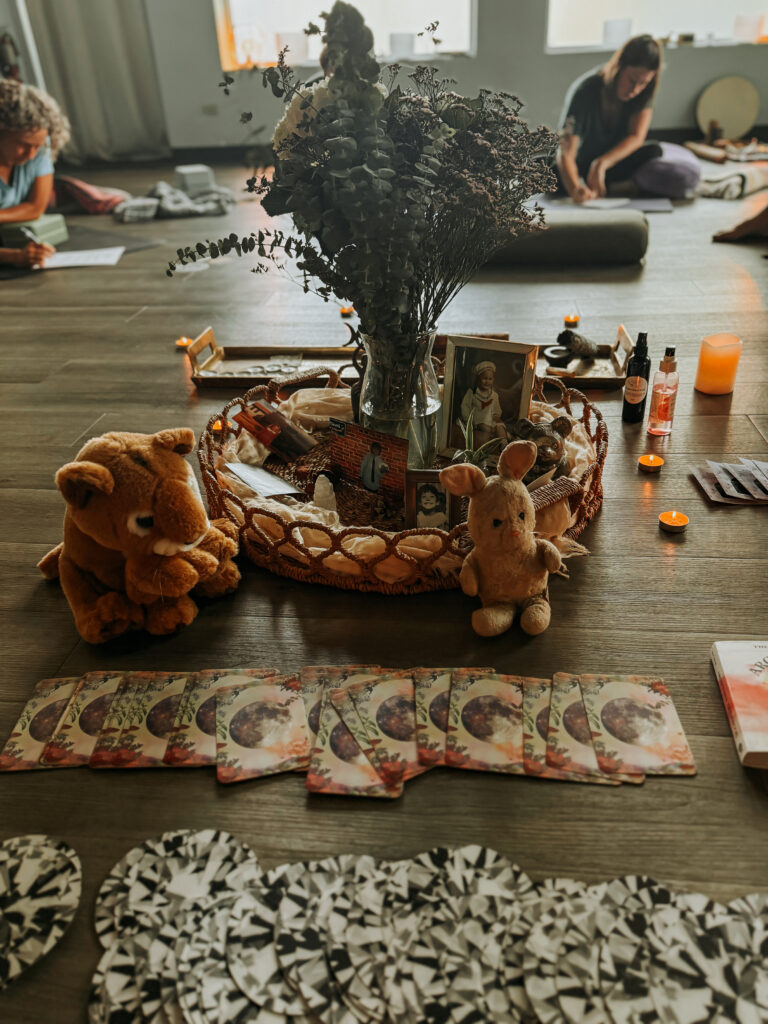
The Power of Ritual: The Altar
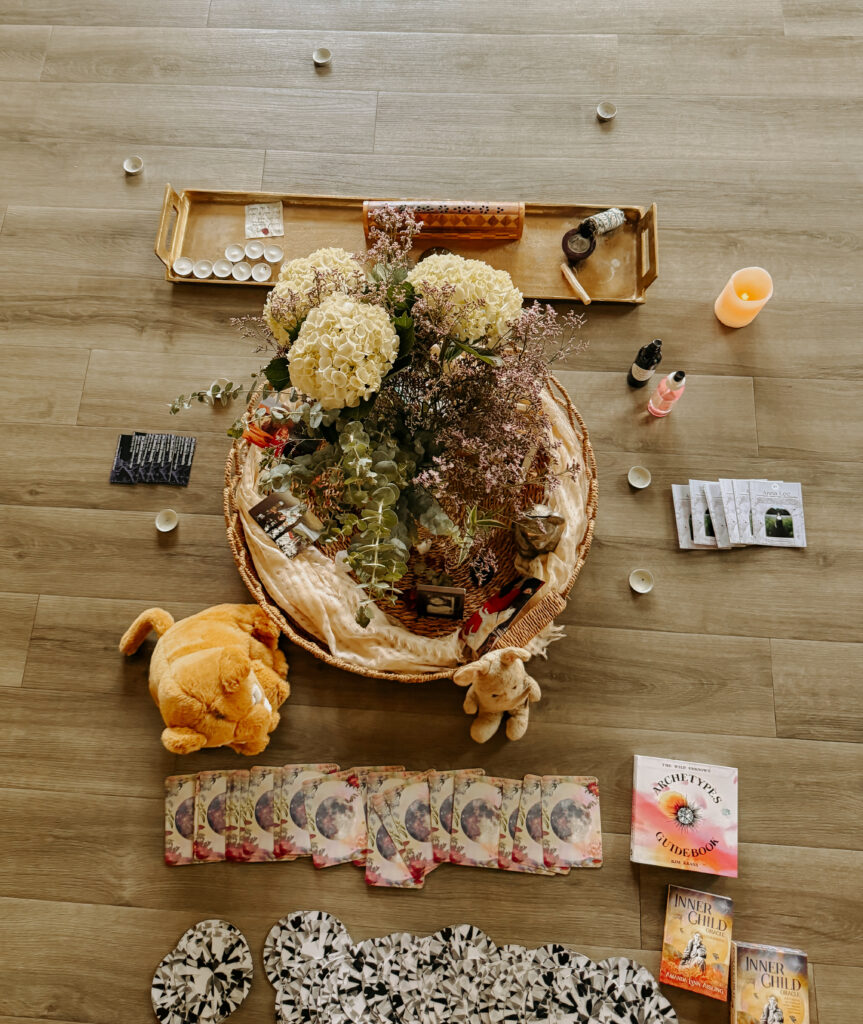
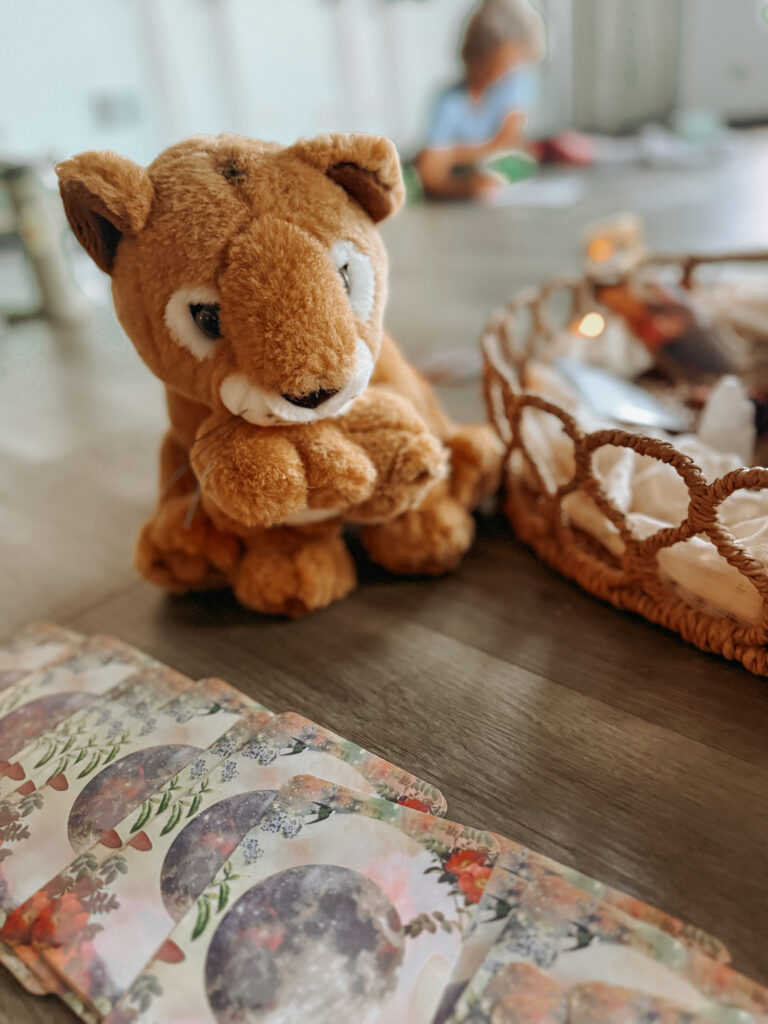
Before any movement began, participants were invited to place a personal item on a shared altar—something representing a part of themselves that deserved care that day. A photo. A stone. A childhood object. Anything meaningful.
This wasn’t decoration. It was structure.
Ritual gives the nervous system something logic alone cannot: a felt sense of beginning and ending, of before and after. Placing something on the altar at the start of the workshop, and returning to retrieve it during the closing circle, created a physical container for the entire experience—a way of marking, in the body, that something real had happened between those two moments.
What It Meant: A Participant’s Reflection
What struck me most about the day was the tangible shift in the room. People arrived carrying the weight of understanding without feeling—that exhausting gap between knowing and embodying. But over three hours, something real opened.
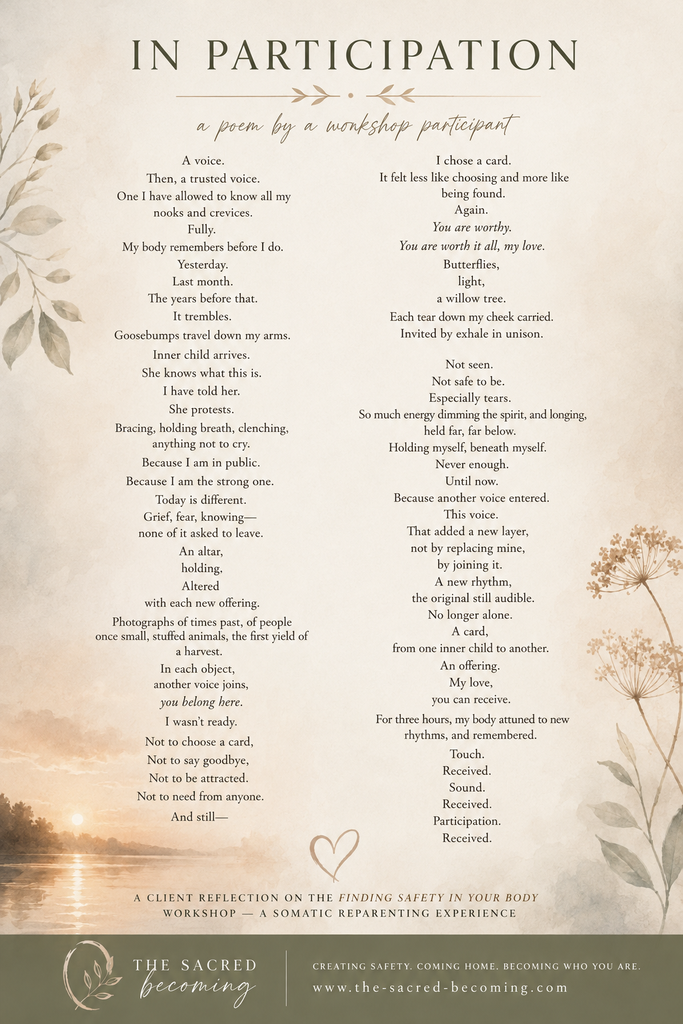
One participant wrote a poem that captured the entire arc of what happened. Her words trace the journey from a voice “I have allowed to know all my nooks and crevices” to the moment when “another voice entered” and “added a new layer.” She writes about her body bracing, holding, protecting—the armor we build to survive. And then, in the three hours we held together, something shifted.
“For three hours,” she wrote, “my body attuned to new rhythms, and remembered. Touch. Received. Sound. Received. Participation. Received.”
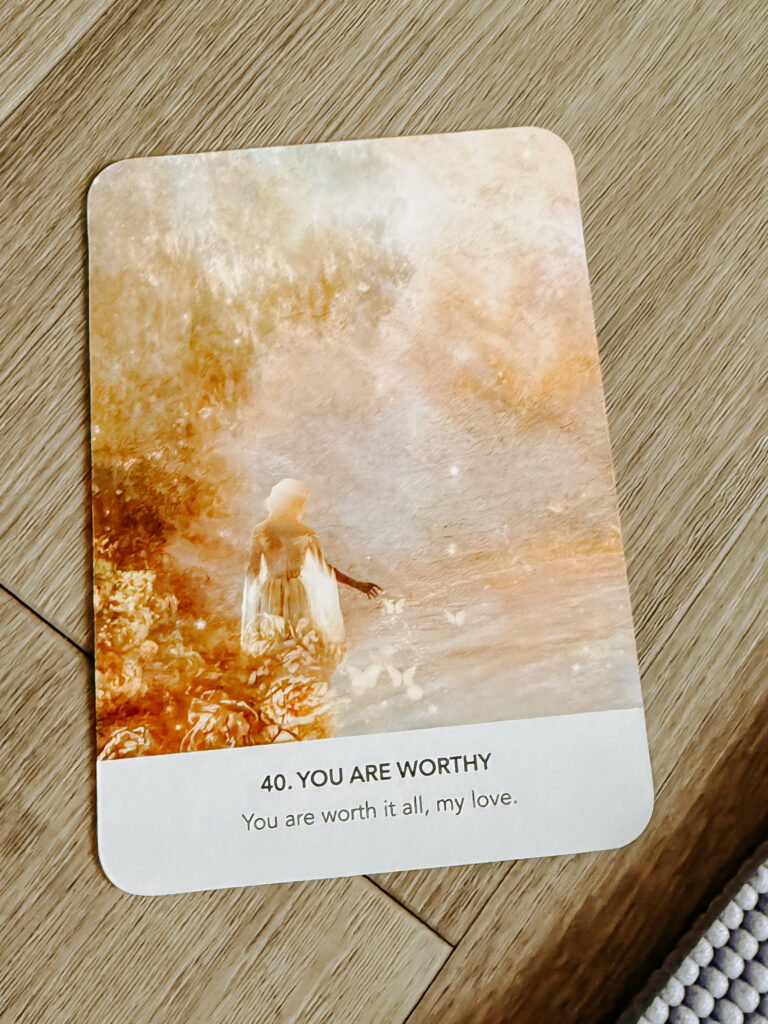
This is the medicine the workshop offers. Not another framework to understand, but permission to finally receive—to let your body be held, witnessed, and guided back home. To discover that you belong here, that you are worthy, that the quiet voice inside you—the one so many of us learned to silence—is still there, waiting to be trusted again.
What It Meant: A Participant’s Reflection – In Participation